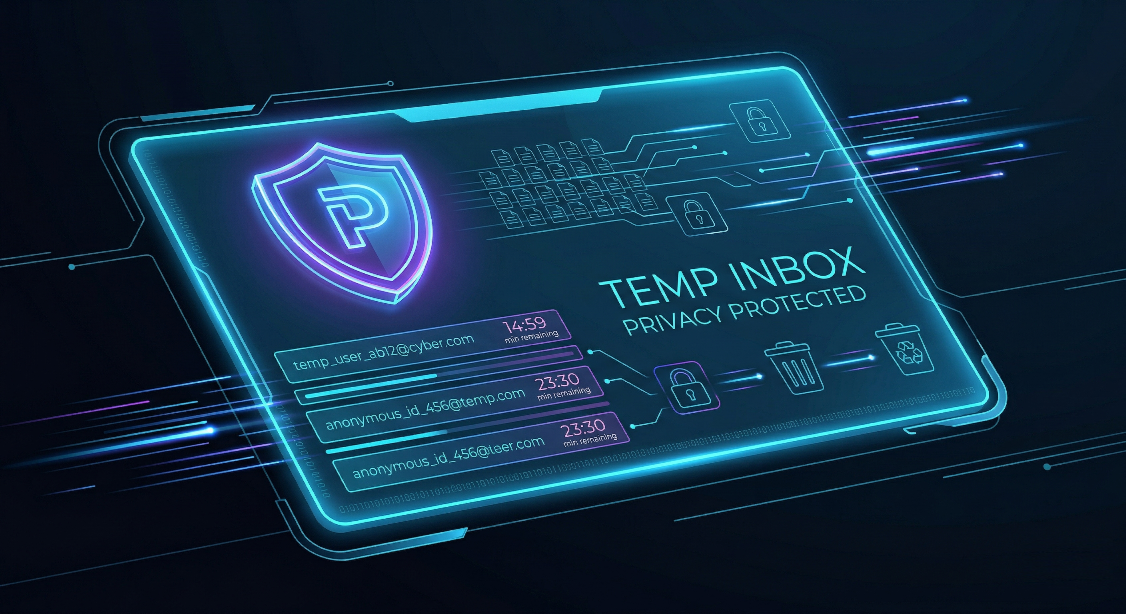
What Is Temp Mail? How Temporary Email Works (Complete Guide)
Have you ever signed up on a website and suddenly started receiving dozens of spam emails?
That’s where temp mail (temporary email) becomes incredibly useful.
A temporary email address allows you to receive emails without using your real inbox. It’s quick, free, and helps protect your privacy online.
In this guide, you’ll learn:
- What temp mail is
- How it works
- Why millions of users use it daily
- When you should (and shouldn’t) use it
What Is Temp Mail?
Temp mail, also known as temporary email or disposable email, is a short-term email address that you can use instantly without registration.
It allows you to:
- Receive emails
- Verify accounts
- Avoid spam
- Stay anonymous
Unlike your personal email (like Gmail or Outlook), temp mail automatically expires after a certain time.
How Does Temporary Email Work?
Temp mail services work using real email servers but provide you with public, disposable inboxes.
Here’s how it works step-by-step:
- You visit a temp mail website
- A random email address is generated instantly
- You use that email to sign up or verify something
- Incoming emails appear in the temporary inbox
- The inbox gets deleted after some time
No signup. No password. No personal data required.
Why Use Temp Mail?
Protect Your Privacy
Using your real email everywhere can expose your personal data. Temp mail keeps your identity safe.
Avoid Spam Emails
Websites often send promotional emails. Temp mail prevents your main inbox from getting flooded.
Quick Signups
Need to download something or test a service? Temp mail makes it fast and hassle-free.
Safe Testing for Developers
Developers use temp mail to test email systems without using real accounts.
Real-Life Use Cases
People use temporary email for:
- Signing up on websites
- Downloading free resources
- Testing apps or software
- Creating trial accounts
- Avoiding newsletters
- Verifying OTPs
When NOT to Use Temp Mail
Temp mail is powerful but not for everything.
Avoid using it for:
- Banking accounts
- Important personal accounts
- Password recovery emails
- Long-term communication
Because once the inbox expires, you lose access permanently.
Is Temp Mail Safe?
Yes, temp mail is generally safe if used correctly.
However:
- Do not open unknown attachments
- Avoid sensitive data sharing
- Use trusted temp mail services
Benefits of Using Temp Mail
- Instant email access
- No registration required
- Free to use
- Protects your identity
- Reduces spam
- Saves time
FAQs - Frequently Asked Questions
What is a temporary email address?
A temporary email is a disposable inbox that expires after a short period.
Is temp mail legal?
Yes, using temp mail is completely legal for privacy and testing purposes.
Can I send emails using temp mail?
Most temp mail services only allow receiving emails, not sending.
Does temp mail store my data?
Most services do not store personal data, making it privacy-friendly.
Conclusion
Temp mail is a simple yet powerful tool to protect your online privacy and avoid spam.
Whether you're signing up for a website, testing an app, or just want to keep your inbox clean, temporary email is the smart choice.
👉 Try it once, and you’ll never want to use your real email everywhere again.